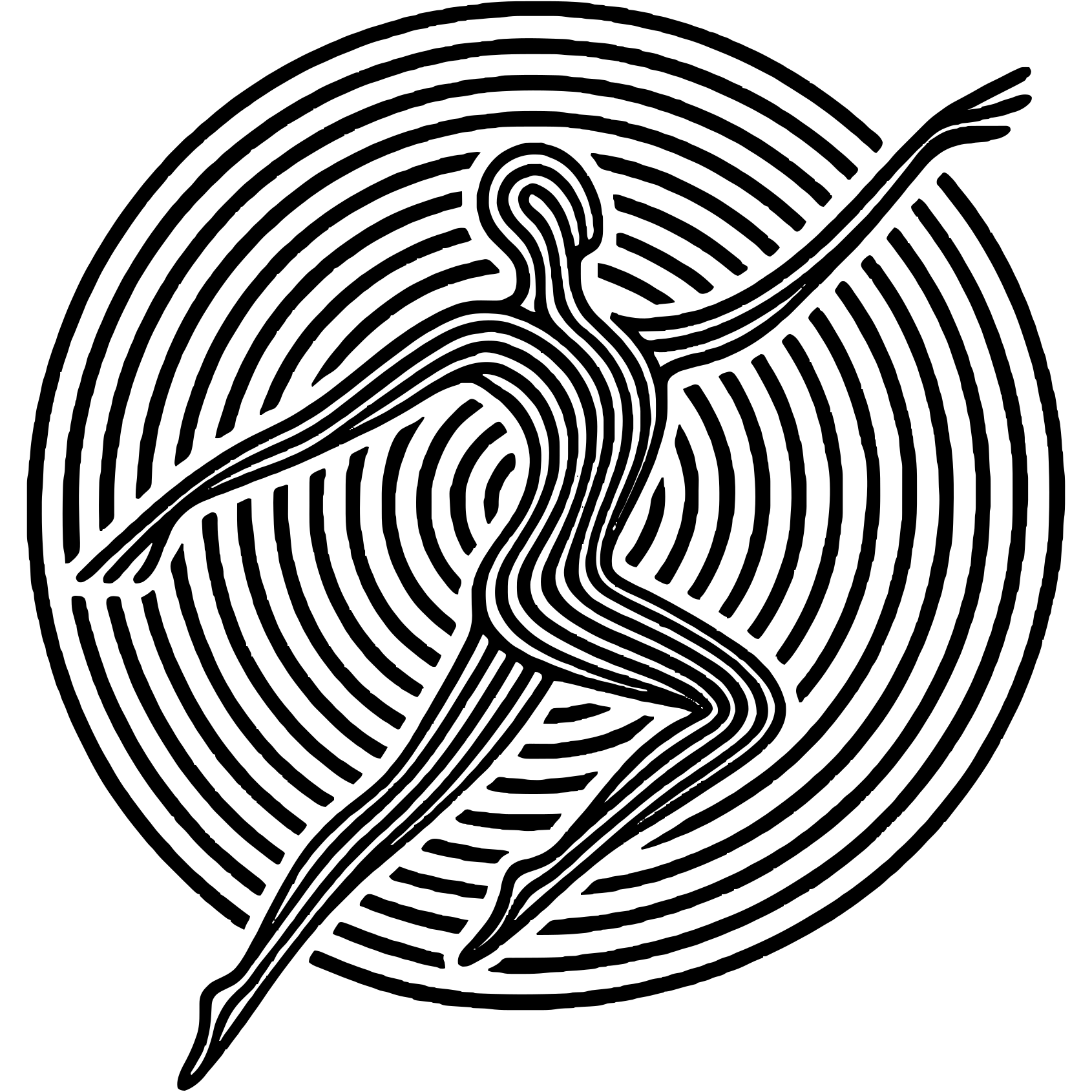
Authentic Movement
「Authentic Movement」是一種以身體覺知、內在聆聽和關係見證為重點的冥想式運動練習。它的特點是源於內在衝動的自發運動,並在一個明確界定的框架內進行,該框架包含「運動者」和「見證者」的角色。
Authentic Movement 在國際上被應用於治療、教育、藝術和冥想等領域。它通常被描述為一種學科而非舞蹈形式,強調覺察、臨在和意義建構,而非表演或審美結果。
起源
Authentic Movement 起源於 20 世紀中期,這要歸功於舞蹈家兼榮格分析師瑪麗·斯塔克斯·懷特豪斯 (Mary Starks Whitehouse) 的工作。懷特豪斯汲取了現代舞、深度心理學和積極想象的影響,發展出一種將無意識素材、動作和意識覺知聯繫起來的實踐方法。
她的工作得到了後來的實踐者的進一步發展和傳承,其中包括「珍妮特·阿德勒」,她將Authentic Movement闡述為一門具有倫理基礎、清晰語言和長期培訓途徑的正式學科。
核心原則
Authentic Movement 基於以下幾個核心原則:
- 「內在衝動」——動作源於內在感知到的感覺、意象、情緒或衝動。
- 「臨在」——持續關注當下的生活體驗。
- 「見證」——一種不帶評判、接納的臨在,觀察動作而不加詮釋。
- 「區分」——培養對自我與他人、行動者與見證者之間界限的覺察。
- 「整合」——在動作之後,通過語言和意義反思體驗。
這種實踐方式注重直接體驗和反思,而不是指導或技巧。
練習
典型的 Authentic Movement 練習包括:
- 一位或多位「舞者」,他們閉上眼睛,跟隨內在的衝動進行動作;
- 一位或多位「見證者」,他們保持專注和沉穩;
- 動作階段結束後,進行一段時間的口頭反思。
行動者不會預先計劃或編排動作。相反,他們會關注身體感覺、情緒、記憶和意象的自然湧現。旁觀者則保持克制,培養對自身反應的覺察,同時避免進行任何解讀或干預。
練習可以一對一進行,也可以小組進行,或者在長期練習小組中進行。
見證者的角色
見證者的角色在Authentic Movement中至關重要。見證包括:
- 不加評判地追蹤行動者,
- 保持對自身感受和投射的覺察,
- 支持練習空間的安全、包容和清晰。
隨着時間的推移,實踐者可能會發展出同時見證他人和自己的能力,有時被稱為「內在見證者」。
Language and reflection
Following movement, participants often engage in spoken reflection. Language is used carefully and intentionally, typically emphasising:
- first-person statements,
- descriptions of direct experience,
- differentiation between observation, feeling, and interpretation.
This reflective phase supports integration of embodied experience into conscious awareness.
Training and transmission
Authentic Movement is transmitted through long-term study rather than standardised certification. Training pathways may include:
- sustained personal practice,
- supervised practice groups,
- mentorship and apprenticeship,
- study of ethics, boundaries, and psychological awareness.
Some organisations and teachers describe Authentic Movement explicitly as a discipline, emphasising responsibility, containment, and ethical clarity.
Applications
Authentic Movement is used in a range of contexts, including:
- psychotherapy and counselling,
- dance and movement education,
- somatic and expressive arts practice,
- contemplative and spiritual inquiry,
- creative and performance research.
Relationship to conscious dance
Authentic Movement is closely related to the conscious dance field through its emphasis on awareness, embodiment, and non-judgement. It differs from many conscious dance practices in its minimal use of music, absence of group dance structures, and strong focus on witnessing and reflection.
It has significantly influenced later movement meditation practices, somatic psychology, and embodied contemplative disciplines.
External links
- Discipline of Authentic Movement: https://disciplineofauthenticmovement.com/